Need elevator service or a modernization assessment? Contact our engineers today →
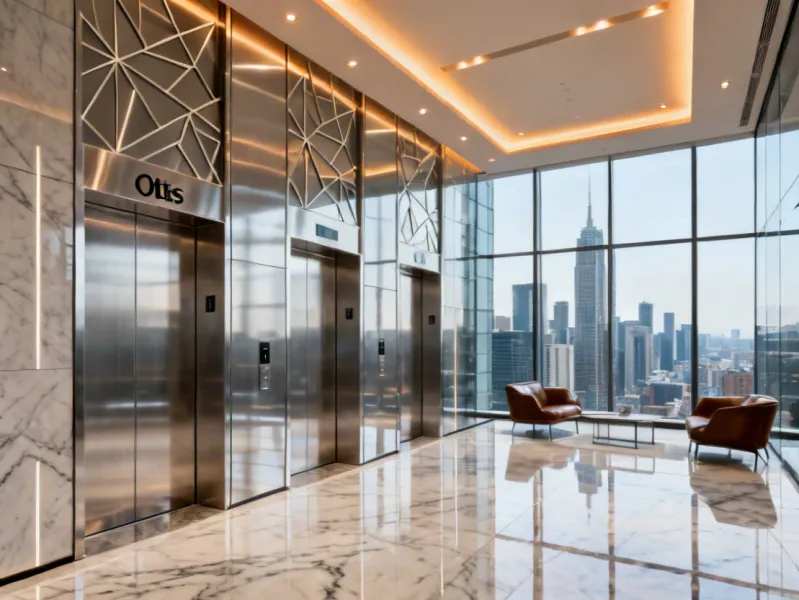
Otis elevator installation in a modern high-rise building
Since 1853 — 170 Years of Safe Vertical Transportation

Otis Elevator —
Trusted to Move
the World

From the world's tallest towers to community hospitals, Otis engineers, installs, and maintains vertical transportation systems that keep people moving safely in 200+ countries.

2.1M+ Units Worldwide
200+ Countries Served
40K+ Service Technicians

Vertical Transportation for
Every Building Type

Otis designs and maintains elevator and escalator systems engineered for the specific demands of each industry.

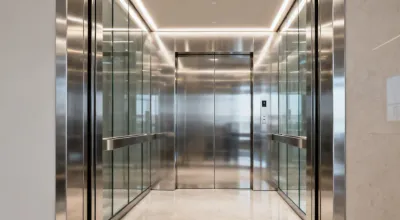
Commercial office elevator systems
Commercial Office
High-capacity traction elevators and destination dispatch systems for Class A office towers and mixed-use developments.
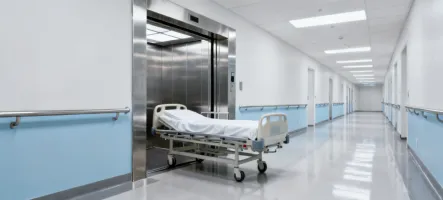
Hospital and healthcare elevator solutions
Healthcare
Wide-body bed elevators, antimicrobial cab finishes, and 99.9% uptime SLAs critical for hospitals and medical centers.
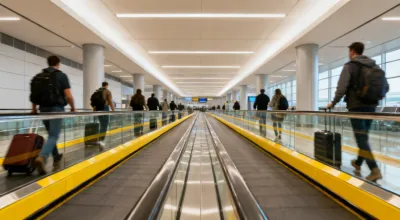
Airport escalators and moving walks
Airports & Transit
Heavy-duty escalators, moving walks, and high-traffic elevators engineered for 24/7 continuous operation in transit hubs.
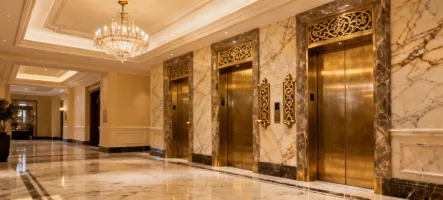
Hotel and hospitality elevator design
Hospitality
Architecturally integrated elevator cabs with premium finishes that complement five-star hotel and resort aesthetics.
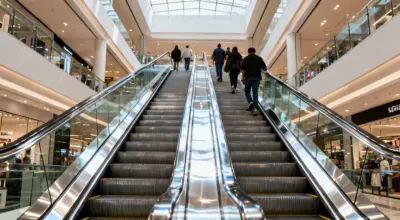
Retail shopping center escalator systems
Retail & Shopping
High-throughput escalators and glass elevators that become design features while moving thousands of shoppers per hour.
Residential and luxury apartment elevator
Residential
Compact home lifts and low-rise residential elevators offering quiet operation and seamless integration with living spaces.

Engineered for Every
Vertical Challenge

Otis Gen3 machine-room-less traction elevator

Traction Elevators

High-rise MRL and gearless traction systems for towers 5–100+ floors. Gen3 series delivers 30% energy reduction.

Otis Escalade commercial escalator

Escalators

Indoor and outdoor commercial escalators with customizable step widths, balustrade options, and energy-saving sleep modes.

Otis moving walkway for airports

Moving Walks

Horizontal and inclined moving walkways for airports, convention centers, and large transit facilities.

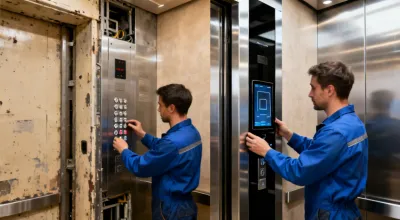
Otis elevator modernization and upgrade service

Modernization

Extend elevator lifespan by 15–25 years with Otis modernization packages — controls, drives, fixtures, and full-cab upgrades.

170
Years in Industry
2.1M+
Units Installed Worldwide
200+
Countries & Territories
40K+
Service Technicians

Moving People,
Protecting the Planet

Otis is committed to reducing the environmental footprint of vertical transportation through energy-efficient systems, renewable energy use, and circular maintenance practices.

Our ESG Commitments

ReGen Drive™ Technology

Our regenerative elevator drives recover kinetic energy during braking and return it to the building's power grid — reducing elevator energy consumption by up to 75%.

Responsible Manufacturing

Our global manufacturing facilities operate under ISO 14001:2015 environmental management certification, with a commitment to zero-waste production targets by 2030.

Extended Product Lifecycle

Otis modernization services extend elevator service life by 15–25 years, reducing the environmental cost of full unit replacement and diverting materials from landfill.

Trusted by Building Professionals
Around the World

"We specified Otis Gen3 elevators for our 42-story headquarters tower. The destination dispatch integration with our access control system was seamless, and lobby wait times dropped by nearly 40% compared to our previous installation."

JM

James Morrow

Head of Facilities, Highfield Capital Group

"When we modernized our 1980s hospital elevators with Otis, the bed elevator dimensions and antimicrobial cab materials were exactly what our infection control team required. The OtisONE monitoring has been invaluable for our facilities team."

SC

Sandra Chen

VP Facilities, Northbridge Medical Center

"The escalator installation at our international terminal is handling over 45,000 passengers per day without interruption. The preventive maintenance contract gives us confidence that we won't face the operational disruptions that plagued our previous supplier's equipment."

RT

Ravi Tharoor

Operations Director, Meridian International Airport

Technical Questions
Answered

Our engineering team addresses the most common questions from project managers, specifiers, and building owners.

Ask Our Engineers

Traction elevators use a motor-driven sheave and steel ropes to raise and lower the cab. They are energy-efficient, suitable for buildings above 5 floors, and available in geared or gearless (machine-room-less) configurations. Hydraulic elevators use a fluid-driven piston and are ideal for low-rise buildings (2–6 floors) where overhead machine room space is limited. Hydraulic systems have lower upfront costs but higher energy consumption. Otis engineers can specify the optimal type based on your building's height, traffic demand, and architectural constraints.

Installation timelines depend on building height, number of units, and local permit requirements. A single commercial elevator in a mid-rise building (10–20 floors) typically takes 12–20 weeks from permit approval to final inspection. High-rise installations with multiple units may require 6–18 months. Otis provides a detailed project schedule during the proposal phase, coordinating with your construction manager to minimize impact on building operations.

Otis maintenance contracts — from our Essential to our Premium Service tiers — include scheduled preventive maintenance visits, lubrication, adjustments, and parts replacement for covered components. Our Premium contracts add OtisONE remote monitoring (real-time diagnostics, 24/7 alerts), guaranteed response times (typically 2–4 hours), and a dedicated service technician assigned to your building. All contracts include compliance documentation for local inspection requirements.

Modernization is typically worth considering when your elevator is 15–25 years old, experiencing frequent callbacks, failing to meet current energy codes, or showing outdated aesthetics that impact tenant satisfaction. A targeted controls and drive upgrade can restore like-new performance at 30–60% of full replacement cost. Otis offers a complimentary modernization assessment that evaluates your current equipment condition, recommends the optimal package, and calculates projected ROI including energy savings and reduced service costs.

Yes. Otis service technicians are trained to maintain and repair most major brands of elevators and escalators. When you transition a third-party unit to Otis service, our team conducts a thorough assessment to document current condition, identify any deferred maintenance, and establish a baseline maintenance plan. In many cases, Otis modernization components can also be retrofitted to non-Otis units, bringing them to current safety and performance standards.

OEM Service (e.g., Otis): Technicians trained exclusively on the manufacturer's equipment have direct access to proprietary diagnostic tools, firmware updates, and genuine parts warehoused locally. OEM contracts often include contractual uptime SLAs (e.g., 99.9% on Otis Premium) and remote monitoring integration (OtisONE) that independent firms cannot replicate. The trade-off: OEM contracts typically carry a 15–30% price premium over independent alternatives.

Independent Maintenance Companies: Third-party contractors can service multiple brands, which is advantageous in mixed-brand buildings. Pricing is often more competitive, and some independent firms have strong local response networks. The limitation is that proprietary diagnostic access and genuine parts warranties may not be available, which can affect mean-time-to-repair on complex faults.

Our recommendation: For mission-critical facilities (hospitals, airports, Class A office towers), OEM service with remote monitoring provides the lowest total cost of downtime. For low-rise residential or light commercial applications, a qualified independent maintainer meeting local inspection standards may offer better value. Request maintenance cost benchmarks for your asset class before committing.
The uptime case for IoT: Connected monitoring systems have measurably reduced unplanned callbacks. Buildings running OtisONE have reported an average 50% reduction in emergency service calls compared to their pre-activation baseline. For a hospital or data center where elevator downtime directly affects operations, that ROI is straightforward.

The cybersecurity concern: IoT connectivity introduces attack surface risk. Elevator control systems connected to building networks can, if misconfigured, become entry points. This concern is legitimate — the European Union Agency for Cybersecurity (ENISA) identified building automation systems as an emerging critical infrastructure threat vector in its 2022 threat landscape report. Otis addresses this through encrypted data transmission, air-gapped control logic (the elevator runs on local firmware — cloud loss does not stop the elevator), and ISO 27001-aligned data handling.

Verdict: For buildings with IT/OT security governance in place, smart monitoring delivers demonstrable operational benefits with manageable risk. Buildings with limited IT oversight should implement OtisONE on an isolated network segment with firewall policies reviewed by a qualified building systems integrator before activation.

Ready to Specify Otis Vertical Transportation?

Our engineering consultants are available to prepare specifications, calculate traffic analysis, and deliver a competitive proposal within 5 business days.